


Cheapest European Countries to Visit in 2026: A Budget Planner for Indian Travelers

Europe feels out of reach for many Indian families. A few days in Paris or Zurich can swallow a month of savings. Yet the cheapest European countries to visit in 2026 tell a very different story, with mid-range days costing roughly ₹5,000 to ₹11,000 per person, flights excluded.

In my experience managing tours at Astamb Holidays, the first budget worry is rarely the hotel. It is the visa, the flight, and whether daily costs will spiral. This article answers all three.
I have ranked ten countries across Central, Eastern, and Southern Europe. Every figure is a planning estimate in euros, converted at about ₹106 per €1 as on 21 Oct. 2026. Check the live rate before you book, because it moves.
⚡ Quick Answer: Cheapest European Countries in 2026
North Macedonia, Albania, and Bosnia & Herzegovina have the lowest daily costs. Bulgaria, Romania, Poland, Hungary, Slovakia, and Montenegro follow closely. Portugal is the cheapest option in Western Europe.
Lowest daily cost: North Macedonia, about ₹4,500–₹7,500 mid-range
Best beaches for money: Albania and Montenegro
Best for first-timers: Poland and Portugal
Best for hiking: Slovakia, Romania, Albania
Cheapest Western Europe pick: Portugal
💶 What Makes a European Country Cheap in 2026?
Prices across Europe vary because of wages, currency, and tourism pressure. Understanding these three drivers helps you spot value before you pay for it.
Currency and Purchasing Power
Poland, Romania, Hungary, Albania, North Macedonia, and Bosnia still use national currencies. Local costs for food, buses, and guesthouses stay low in these places.
Bulgaria switched to the euro on 1 January 2026. Prices there are now quoted in euros, though day-to-day costs remain well below Western Europe.
East Versus West
Western and Northern Europe have high wages and heavy taxes. That raises the price of everything from coffee to hotel laundry.
The Balkans, the Carpathian region, and parts of the Baltics run cheaper. A farm-sourced dinner in rural Albania simply costs less to produce than one in Munich.
Tourism Pricing
Big Western hotspots lean on tourist taxes, timed-entry tickets, and surge pricing. Many Balkan and Central European towns still run on family guesthouses and modest entry fees.
💡 Local Insight Tip: Cheap does not mean empty. Even Albania and Montenegro get crowded in July and August. Plan around the shoulder months to keep both prices and queues down.
📊 Daily Budget Comparison: Euros and Rupees
The table below shows estimated daily spend per person. Backpacker means a dorm bed, street food or self-catering, public transit, and free sights. Mid-range means a private double in a 3-star hotel or guesthouse, casual sit-down meals, regional trains, and paid entries.
Country | Currency | Backpacker per day | Mid-range per day | Casual meal |
North Macedonia | Denar (MKD) | €22–32 (₹2,200–3,200) | €45–75 (₹4,500–7,500) | €4–7 |
Albania | Lek (ALL) | €25–35 (₹2,500–3,500) | €55–85 (₹5,500–8,500) | €4–8 |
Bosnia & Herzegovina | Mark (BAM) | €25–35 (₹2,500–3,500) | €50–80 (₹5,000–8,000) | €4–8 |
Bulgaria | Euro (from 2026) | €28–38 (₹2,800–3,800) | €60–90 (₹6,000–9,000) | €5–9 |
Romania | Leu (RON) | €30–42 (₹3,000–4,200) | €65–95 (₹6,500–9,500) | €6–11 |
Poland | Złoty (PLN) | €32–45 (₹3,200–4,500) | €70–105 (₹7,000–10,500) | €6–12 |
Hungary | Forint (HUF) | €32–45 (₹3,200–4,500) | €70–105 (₹7,000–10,500) | €7–13 |
Slovakia | Euro | €34–46 (₹3,400–4,600) | €70–110 (₹7,000–11,000) | €6–12 |
Montenegro | Euro | €35–48 (₹3,500–4,800) | €75–115 (₹7,500–11,500) | €7–14 |
Portugal | Euro | €42–58 (₹4,200–5,800) | €90–140 (₹9,000–14,000) | €9–16 |
What These Numbers Leave Out
Return flights from India are the biggest single cost and are not included. Neither are visa fees, travel insurance, or shopping.
For Indian travelers, flights often route through Gulf or European hubs. Compare fares across several departure dates, since a shift of a few days can change the total noticeably.
🛂 Visa and Entry Rules for Indian Travelers
Entry rules shape your route as much as prices do. Six of the ten countries here sit inside the Schengen Area. Four do not.
Schengen Countries on This List
Poland, Hungary, Slovakia, Portugal, Bulgaria, and Romania are Schengen members. Indian passport holders need a Schengen visa for short stays.
One visa can cover several Schengen countries on the same trip. Apply through the embassy or visa center of your main destination. The adult fee was €90 at the time of writing, and insurance cover is required. Confirm both on the official portal.
Non-Schengen Balkan Countries
Albania, North Macedonia, Montenegro, and Bosnia & Herzegovina run their own entry rules. Some have allowed Indian passport holders with a valid Schengen, UK, or US visa to enter for short stays without a separate visa.
Conditions differ by country and change often. Check each embassy website before booking non-refundable hotels.
About ETIAS
ETIAS is the EU's travel authorization for visa-exempt nationals. Indian citizens already need a Schengen visa, so ETIAS does not replace it for you.
Keep an eye on official EU guidance in case rules for your passport change.
Country | Schengen member? | What Indian travelers should check |
Poland | Yes | Schengen visa |
Hungary | Yes | Schengen visa |
Slovakia | Yes | Schengen visa |
Portugal | Yes | Schengen visa |
Bulgaria | Yes | Schengen visa |
Romania | Yes | Schengen visa |
Albania | No | Visa-free conditions or e-visa |
North Macedonia | No | Visa-free conditions with Schengen/US/UK visa |
Montenegro | No | Visa-free conditions with Schengen/US/UK visa |
Bosnia & Herzegovina | No | Visa-free conditions with Schengen visa |
💡 Local Insight Tip: Pair one Schengen country with one or two Balkan neighbors. A Schengen visa often makes the Balkan leg simpler, but always verify the current rule.
🇦🇱 Albania: Beaches and Mountains at Low Prices
Albania sits across the water from southern Italy and just north of Greece. It offers Ionian beaches and alpine valleys at a fraction of Mediterranean prices. Outside July and August, it is among the best-value picks on this list.

Where to Stay and Eat
Tirana guesthouses and apartments run about €25–40 per night (₹2,500–4,000). Coastal flats in Sarandë, Vlorë, and Himarë cost €30–50 in May, June, September, and October.
Hostel beds usually stay between €12 and €18. Food is just as friendly on the wallet:
Byrek and espresso: about €1.20–1.80
Grilled sea bass dinner: €8–14
Local wine: usually included in that range
What to See
Berat and Gjirokastër are UNESCO-listed Ottoman towns with stone houses and hillside fortresses. Castle tickets cost roughly €2–4.
Theth to Valbona is one of Europe's finest hiking routes. Homestays with dinner and breakfast cost about €30 per person.
On the Riviera, skip the paid beach clubs in Ksamil during August. Try the quieter pebble bays at Dhërmi, Jale, and Borsh instead.
💡 Local Insight Tip: Roads in the Albanian Alps can be rough. Book transfers through your guesthouse rather than driving yourself, especially in wet weather.
🇧🇬 Bulgaria: Old Towns, Ski Slopes, and Black Sea Sand
Bulgaria is one of the cheapest members of the European Union. It packs Roman ruins, monasteries, mountain resorts, and beaches into a compact country.

Where to Stay and Eat
In Plovdiv's Old Town, restored 19th-century guesthouses cost around €35–50 per night. Central apartments in Sofia average about €40.
Food stays modest. A lunch of shopska salad, kebabche, and flatbread runs about €5–7. A pint of local beer costs roughly €1.80–2.50.
What to See
Veliko Tarnovo was the capital of the Second Bulgarian Empire. Tsarevets Fortress costs under €5.
Rila Monastery is UNESCO-listed. The church grounds are free, and the museum costs around €4.
Winter visitors can try Bansko for skiing. Lift passes and lodging there generally cost well below Alpine resorts in France or Austria.
On the coast, Sozopol and Nesebar offer cobbled lanes and seafood taverns. They feel calmer than the mass-market resort strips.
💡 Local Insight Tip: Because Bulgaria now uses the euro, check older blog prices quoted in lev. Convert carefully, or you may over- or under-budget.
🇷🇴 Romania: Castles, Carpathians, and Scenic Rail
Romania works well for road trips and rail journeys. Transylvania's medieval towns sit close together, and rural guesthouses keep costs gentle.

Where to Stay and Eat
Double rooms in Brașov, Sibiu, and Cluj-Napoca cost about €40–60. Bucharest apartments run €35–55.
Farm stays (pensiuni) in Maramureș or Bucovina cost €25–40, and breakfast is often included. Expect to pay:
Sarmale plate: €6–9
Țuică plum brandy: about €2
Market produce: very cheap
What to See
Brașov, Sighișoara, and Sibiu have walkable historic centers. Tower climbs and church entries rarely top €4.
Peleș Castle in Sinaia costs about €10–15. Corvin Castle in Hunedoara is around €8.
The Transfăgărășan Highway is a spectacular Carpathian pass. It is generally open to drive from late June to October.
💡 Local Insight Tip: Roads and weather in the mountains can change quickly. Check pass status before driving the Transfăgărășan, and keep a buffer day in your plan.
🇵🇱 Poland: Culture and Comfort at Fair Prices
Poland suits first-time visitors well. Rail is reliable, cities are walkable, and food is hearty and cheap.

Where to Stay and Eat
Warsaw can climb during business peaks. Kraków, Wrocław, Poznań, and Toruń offer better value, with central apartments at about €45–65. Hostel dorms run €15–22.
The secret weapon is the Bar Mleczny, or milk bar. These cafeteria-style eateries serve old-school comfort food:
Ten pierogi: about €3.50–5
Żurek soup: about €2.50–3.50
Pork cutlet with potatoes: about €5–7.50
What to See
In Kraków, the Old Town and Wawel Hill grounds are free to walk. Day trips to the Wieliczka Salt Mine and the Auschwitz-Birkenau Memorial run about €3–4 each way by local train.
Wrocław is known for its bridges and its tiny bronze dwarf statues. Zakopane is the base for Tatra National Park, where park entry costs under €2 a day.
💡 Local Insight Tip: Book Auschwitz-Birkenau entry in advance and plan for a quiet, respectful visit. Do not squeeze it between shopping stops.
🇧🇦 Bosnia & Herzegovina: History, Rivers, and Rock-Bottom Meals
Bosnia blends Ottoman and Austro-Hungarian layers in a single country. It also offers some of the cheapest restaurant bills in the Western Balkans.

Where to Stay and Eat
Family guesthouses in Sarajevo and Mostar cost about €25–40 for a double. Hostels with Old Bridge views run €10–15.
Meals are small-money affairs:
Ćevapi in somun: about €3.50–5.50
Burek by weight: €1.50–2.50
Bosnian coffee set: €1–1.50
What to See
Sarajevo's Baščaršija district places mosques, churches, and a synagogue within walking distance. Visiting them costs little or nothing.
In Mostar, watch divers jump from the 24-meter Stari Most. Nearby Blagaj Tekke and Počitelj are easy day trips by bus.
Kravice Waterfalls offer a summer swim for roughly €5–10 depending on season.
💡 Local Insight Tip: In rural areas, stay on marked trails and roads. Some regions still have landmine warnings from the 1990s conflict, so local guidance matters.
🇭🇺 Hungary: Spas and Wine Beyond Budapest
Budapest prices have risen in recent years. Hungary still delivers value if you leave the capital for regional towns.

Where to Stay and Eat
In Budapest, rooms in Districts VII and VIII average €45–65. In Eger, Szeged, or Szentendre, prices fall to about €30–45.
Goulash with bread: €5–8
Lángos at a market: €2.50–4
Glass of Tokaji or dry white: €2–3.50
What to See
In Budapest, the Parliament exterior, Chain Bridge, and Fisherman's Bastion views are free to enjoy.
For thermal baths, consider local options like Lukács or Dandár at roughly €10–15. They cost less than the famous tourist-heavy spas.
The Valley of the Beautiful Woman in Eger has wine cellars cut into volcanic stone. Tastings of Bull's Blood can cost under €1.50 a glass.
💡 Local Insight Tip: Hungary uses the forint. Pay in forint when a card machine offers a choice, so you avoid a poor conversion rate.
🇲🇰 North Macedonia: Europe's Lowest Daily Costs
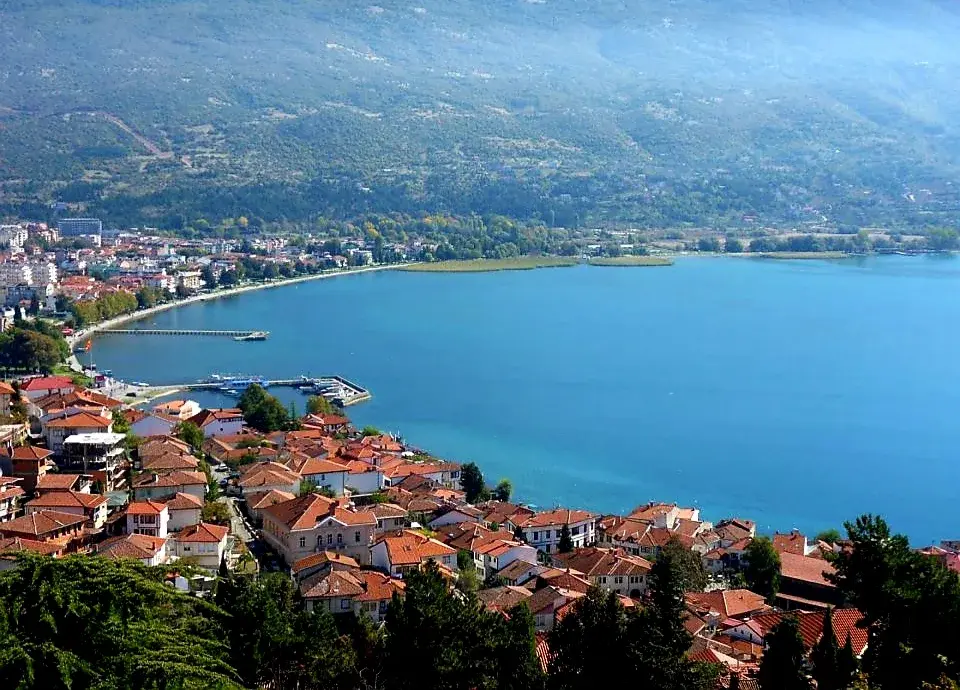
North Macedonia often tops the budget lists for good reason. Lakes, canyons, and old bazaars come with very low price tags.
Where to Stay and Eat
Lakeside apartments in Ohrid cost about €20–35 in late spring and early autumn. Skopje apartments average €25–35. Dorm beds run €8–14.
Tavče gravče (baked beans): €2.50–4
Pastrmajlija: €3–5
Full mezze spread: €4–6
What to See
Lake Ohrid is a UNESCO site and one of Europe's oldest and deepest lakes. The clifftop St. John at Kaneo church costs about €2 to enter.
Skopje's Old Bazaar is among the largest in the Balkans, and wandering it is free. Matka Canyon is reachable by city bus for under €1 each way, with kayak rentals on site.
💡 Local Insight Tip: Ohrid fills up in July and August. Visit in late May or September for lower rents and calmer lakeside evenings.
🇲🇪 Montenegro: Fjord Views and Mountain Lakes
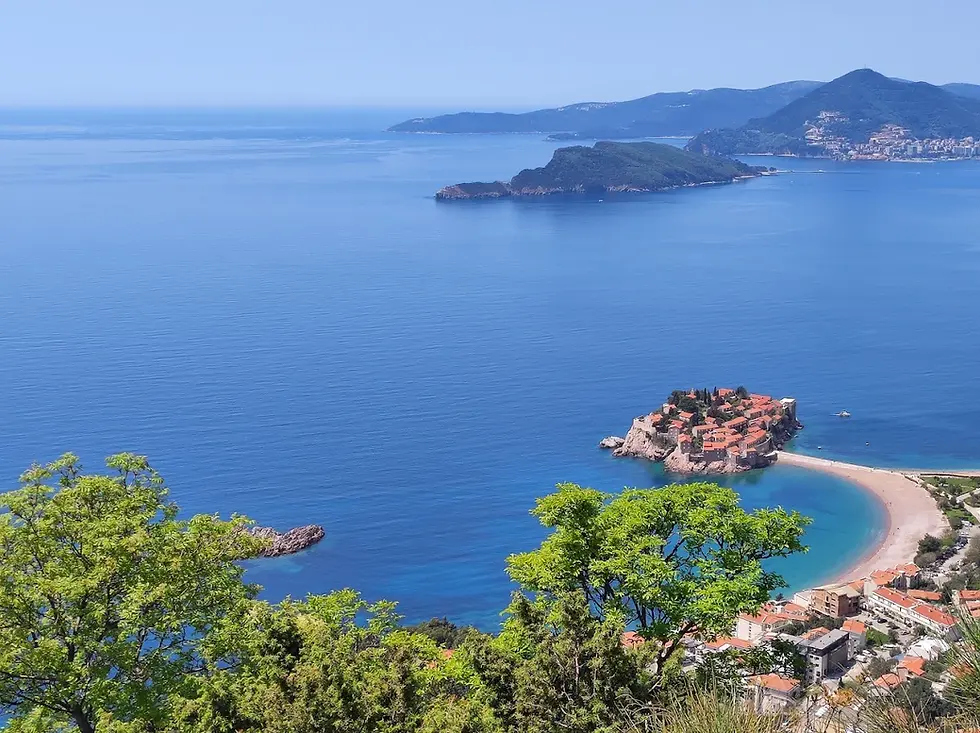
Montenegro squeezes coast, canyons, and peaks into a small area. Kotor commands peak-season prices, but much of the country remains good value.
Where to Stay and Eat
Guesthouses in Dobrota, Prčanj, or Perast cost about €35–55 outside July and August. Mountain chalets in Žabljak run €30–45.
Grilled squid: €8–13
Kačamak (cornmeal and cheese): €5–7.50
Nikšićko beer: €2–2.80
What to See
Durmitor National Park has glacial lakes and deep limestone canyons. Entry including Black Lake costs about €5.
Lake Skadar is the Balkans' largest lake, with pelican colonies. Local fishermen run boat tours for roughly €10–15 per person.
Ulcinj has a 12-kilometer sandy beach called Velika Plaža. Dining prices there are often noticeably lower than in Kotor or Budva.
💡 Local Insight Tip: Avoid cruise-ship days in Kotor if you can. Walk the old town early morning, then head to quieter bay villages.
🇸🇰 Slovakia: Castles and Alpine Trails
Slovakia offers mountain scenery and castle ruins without Austrian or Swiss prices. Its best value lies in the east.

Where to Stay and Eat
Bratislava is an affordable alternative to Vienna, which sits about an hour away by a commuter train costing around €12. For better value, head east.
Boutique hotels in Košice, Banská Štiavnica, and Poprad cost about €40–60. Mountain hut dorms run €18–25.
Bryndzové halušky: €5.50–8
Kapustnica soup: €3.50–5
Draft lager: €1.80–2.50
What to See
Spiš Castle is among Europe's largest castle complexes. Entry costs about €8.
The High Tatras are reached by an electric mountain railway from Poprad. Marked trails and glacial lakes are free to access.
Slovak Paradise National Park features gorges with ladders and footbridges, for an entry fee around €3.
💡 Local Insight Tip: Mountain weather turns fast in the Tatras. Start hikes early and carry a rain layer even in summer.
🇵🇹 Portugal: The Budget Pick in Western Europe
Portugal costs more than the Balkans, but it is the best-value choice in Western Europe. You get Atlantic coast, historic towns, and excellent food.

Where to Stay and Eat
Lisbon and the Algarve get expensive in summer. Regional bases like Porto, Coimbra, Braga, and the Alentejo offer doubles at about €50–75. Design-led hostels run €20–30 for a dorm bed.
The best lunch deal is the Prato do Dia. It typically bundles soup, a main, bread, a drink, and coffee for €8.50–13.
What to See
Coimbra has one of the world's oldest universities and intimate fado evenings. Évora and the Alentejo offer Roman ruins, cork forests, and relaxed wine tastings.
The Silver Coast (Nazaré, Peniche, Figueira da Foz) has big Atlantic beaches. Stays there often cost far less than the southern Algarve.
💡 Local Insight Tip: Lunch is cheaper than dinner almost everywhere in Portugal. Make the Prato do Dia your main meal and keep dinner light.
🗓️ Best Time to Visit Cheap European Countries
Peak season runs from late June to late August. Coastal prices can double, and queues grow.
The shoulder months of May, early June, September, and October are the sweet spot. Lodging often drops by 30–50%, and walking weather is pleasant.
Season | Prices | Crowds | Best for |
Late spring (May–early June) | Lower | Moderate | Cities, hiking, Balkan towns |
Peak summer (late June–Aug) | Highest | High | Beaches, mountain festivals |
Early autumn (Sept–Oct) | Lower | Moderate | Beaches, wine regions, Portugal |
Winter (Dec–Mar) | Low, except ski towns | Low | Bulgaria and Slovakia skiing, city breaks |
Sea Temperature Note
Coastal waters in Albania, Montenegro, and southern Portugal often stay swimmable into early October. Pack a light wetsuit only if you plan Atlantic surfing.
🧮 How to Build a Realistic Daily Budget
Hotel rates alone mislead. A simple four-part split keeps estimates honest.
Category | Share of budget | Typical choices |
Lodging | About 40% | Hostels, guesthouses, apartments |
Food | About 30% | Bakeries, markets, casual dinners |
Transit | About 15% | Regional trains, buses, city passes |
Sights | About 15% | Museums, castles, tours |
Lodging Tips
Mix dorm nights with private guesthouse rooms. Book places with breakfast or a kitchen.
A home-made breakfast can save roughly €6–10 a morning.
Food Tips
Follow the "two-and-one" rule. Eat two simple meals, then one proper local dinner.
Skip restaurants with picture menus near monuments
Walk three or four blocks away
Ask about table bread and cover charges
Transit and Sights
Regional trains and buses beat budget flights once baggage and airport transfers are added. Many cities offer free walking circuits, cathedrals, and viewpoints. Check for free museum days, which are often the first Sunday of the month.
💳 Money-Saving Strategies That Actually Work
Travel in the Shoulder Season
This is the single biggest saver. A May or September trip can cut lodging costs by a third or more.
Book Point-to-Point Transport
A multi-country rail pass rarely pays off in the Balkans. Buy tickets directly from carriers such as RegioJet, PKP Intercity, and CFR Călători, or from major bus platforms like FlixBus.
Book rail early where you can. Advance fares are usually cheaper.
Decline Dynamic Currency Conversion
When a card machine or ATM offers to charge you in rupees, say no. Choose the local currency instead.
The merchant's rate is usually worse, and the markup can add several percent. Pair this habit with a forex card or a card with low foreign-transaction fees.
Get a Local eSIM
Roaming packs from Indian operators can be expensive. A travel eSIM or local prepaid SIM is often cheaper. In Poland, Romania, and Bulgaria, monthly prepaid plans with large data allowances commonly cost about €8–15.
💡 Local Insight Tip: Carry some local cash. Bakeries, small taverns, market stalls, and city buses often do not take cards.
⚠️ Safety and Travel Advisory Notes
Central and Eastern Europe are popular with independent travelers, and most visits pass without trouble. Basic care still matters.
Common Traps
Airport taxis: Use official taxis or Bolt/Uber where available
Cover charges: Ask before eating table bread or olives
Street ATMs: Use bank-branch ATMs instead
Pickpockets: Watch bags in crowded trains and markets
Official Advisories
Check the Ministry of External Affairs (India) and embassy pages before departure. Register your trip if the option exists, and buy travel insurance that covers medical care and cancellations.
Mountain hikes need proper footwear and weather checks. In Bosnia, stay on marked paths.
🧭 Which Country Fits Which Traveler?
Traveler type | Best fit | Why |
Solo backpacker | North Macedonia, Albania | Lowest daily costs |
Couples | Portugal, Montenegro | Scenery and good guesthouses |
Families | Poland, Slovakia | Easy rail, parks, castles |
Hikers | Albania, Slovakia, Romania | Marked trails and mountain huts |
Food lovers | Portugal, Hungary, Bosnia | Strong local cuisine, low prices |
First-time Europe | Poland, Portugal | Reliable transit and infrastructure |
Two Sample Route Ideas
Route | Countries | Ideal length |
Western Balkans loop | Albania, North Macedonia, Montenegro | 10–12 days |
Central Europe rail trip | Poland, Slovakia, Hungary | 10–12 days |
Carpathian route | Romania, Bulgaria | 10–14 days |
💡 Local Insight Tip: Do not cram ten countries into two weeks. Two or three countries, with fewer hotel changes, lowers cost and fatigue.
For more route inspiration, see our guide to Madeira, Portugal and our best beach destinations in India for a domestic comparison.
❓ Frequently Asked Questions About Cheap European Countries
What is the cheapest European country to visit in 2026?
North Macedonia and Albania are the most affordable. Backpackers can manage on roughly €25–35 (₹2,500–3,500) per day in North Macedonia. Mid-range travelers in Albania can budget about €55–85 (₹5,500–8,500).
Which cheap European country is best for beaches?
Albania is the best-value pick for beaches. The Riviera has clear Ionian water and quiet pebble bays. Montenegro's Ulcinj is a strong second.
Which cheap European country is best for Indian first-timers?
Poland and Portugal suit first-timers. Both have dependable transport, clear signage, and plenty of English-speaking help. Both need a Schengen visa for Indian passport holders.
Do Indians need a visa for Albania or North Macedonia?
Rules depend on your documents. Some Balkan countries allow short visa-free stays for Indian passport holders with a valid Schengen, UK, or US visa. Always check the embassy website before booking.
How much money do I need per day in Europe?
Backpackers should plan about €30–45 (₹3,000–4,500) a day in the cheapest countries. Mid-range travelers should plan about €60–100 (₹6,000–10,000).
What is the cheapest Western European country?
Portugal. A Prato do Dia lunch costs about €8.50–13, and hostel dorms run about €20–30.
Is train travel cheap in Central and Eastern Europe?
Yes. Intercity trains in Poland, Romania, Slovakia, and Hungary often cost about €8–20 one way. Booking early through national carriers usually gives the best fares.
Are Eastern European countries safe for budget travelers?
Most travelers find them safe and welcoming. Pickpocketing in crowded transit hubs is the usual concern. Follow official advisories and use licensed taxis.
Can I travel Europe on a budget without hostels?
Yes. Guesthouses and apartments across the Balkans and Central Europe commonly cost €30–55 per night. Couples and families can stay comfortably without dorms.
Do I need cash in cheap European countries?
Yes. Cards work in hotels, supermarkets, and many restaurants. Small bakeries, taverns, buses, and markets often need local cash.
Is Bulgaria in the euro zone now?
Yes. Bulgaria adopted the euro on 1 January 2026. Older guides that quote lev prices are out of date.
✅ Final Takeaways for Your 2026 Europe Trip
Europe becomes affordable when you change the map. Skip the priciest capitals and pick from the countries above.
Albania and Montenegro: Coast and mountains at lower prices
Bulgaria, Romania, Poland: History, rail, and hearty food
Bosnia & North Macedonia: Culture at the lowest daily cost
Slovakia and Portugal: Hiking and Atlantic towns at balanced prices
Travel in the shoulder months, use regional transport, and eat where locals eat. Sort your visa early, because that step takes the longest. For more itineraries and planning help, browse the latest guides on Xplore Heaven.
About the Author
Wahid Ali is a seasoned travel professional and Operations Lead at Astamb Holidays, Mumbai. With extensive experience in crafting travel experiences and destination insights, Wahid combines practical travel logistics expertise with engaging storytelling to help travelers explore hidden gems across India and beyond. His work blends expert travel planning with a passion for culturally rich and nature-oriented destinations.
References and Sources
This article is backed by authoritative sources and research.


Comments